History
The building site of the Fortress of Vignola traverses the history of the city and the territory, accompanying and representing its transformations, evolutions and contradictions: A military building and good government at the same time, a place of civil power but rich in spiritual connotations, the Fortress represents a living and speaking testimony to the history of the city of Vignola.
8th century The first documentation
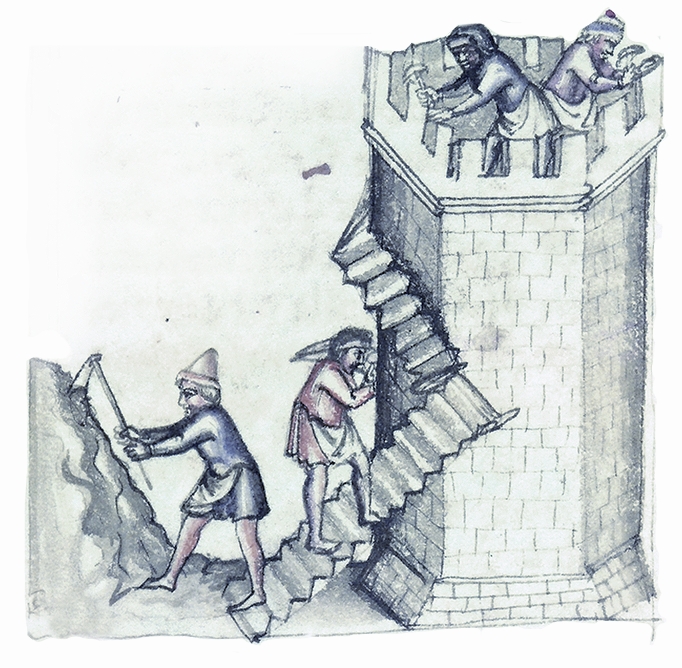
According to tradition, the construction of a fortified structure on the site of the historic center of Vignola dates back to this period.
826 First quote from Vignola
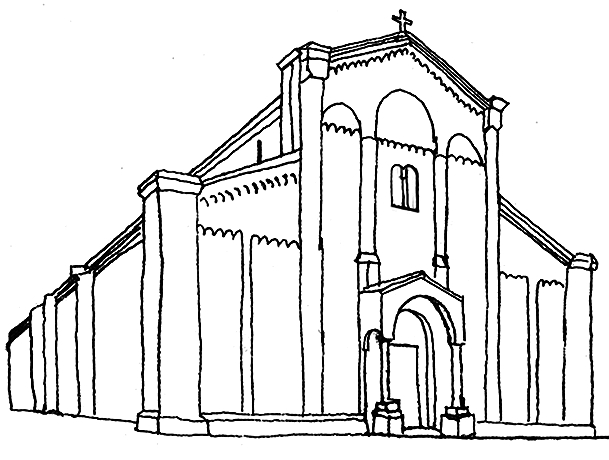
Vignola is mentioned in a document from Nonantola.
945 Siege of Hugh of Provence
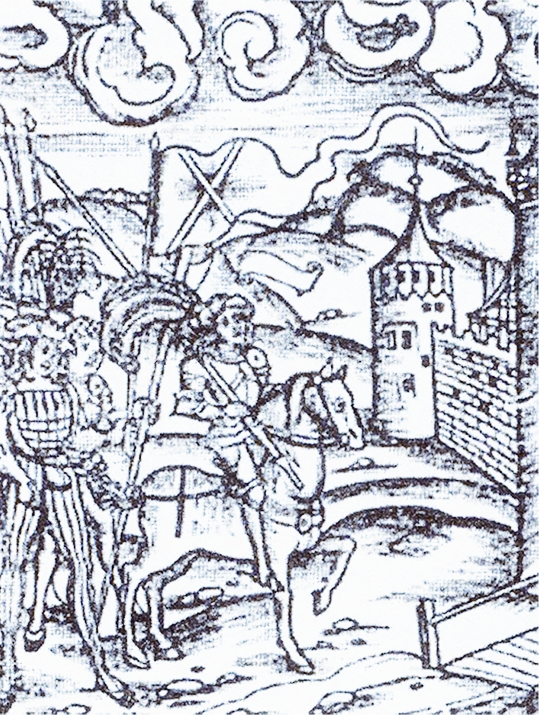
The castle of Vignola was besieged by Hugh of Provence, King of Italy, during the war against Berengar. Three years later, Lothair II became the new King of Italy and resided briefly in Vignola. The castle's importance was confirmed in 968, when Guido, Bishop of Modena, stayed there.
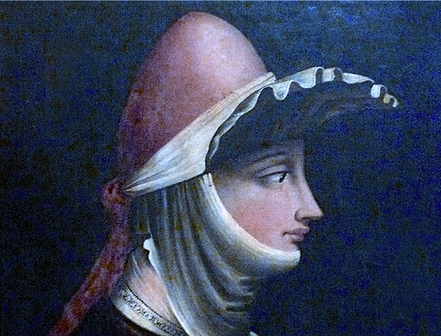
1109 Matilda of Canossa
In early November, Matilda of Canossa, Countess of Tuscany and supporter of the Papacy in the Investiture Controversy, resides in Vignola.
1168 Castle village
Episcopal documents note the presence of a village within the castle of Vignola. Around this time, excavation of the San Pietro canal began, entrusted to the Benedictine monks of the San Pietro monastery in Modena.
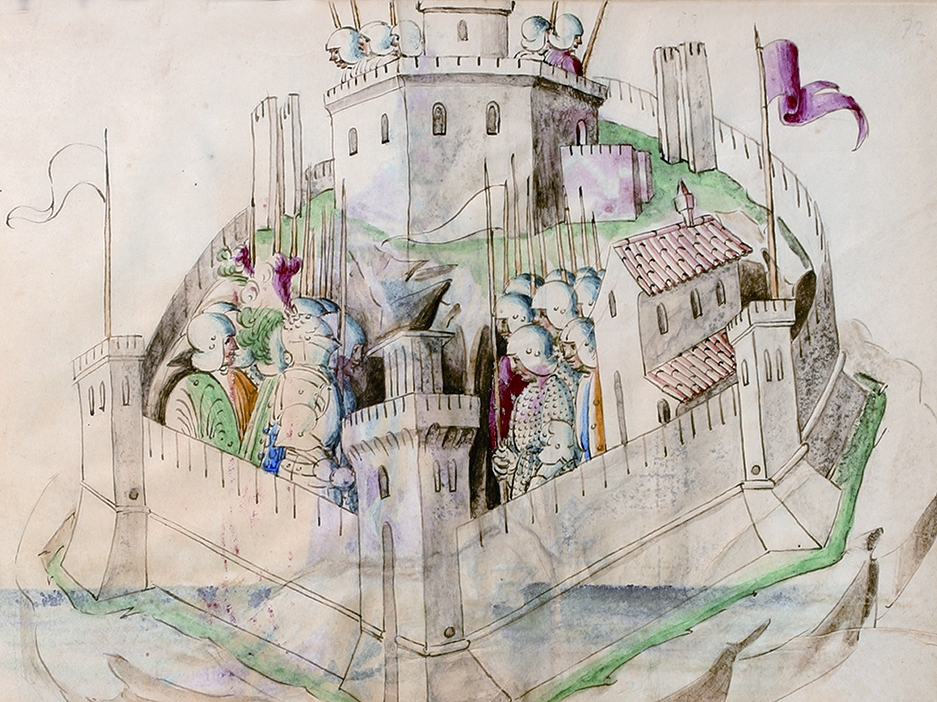
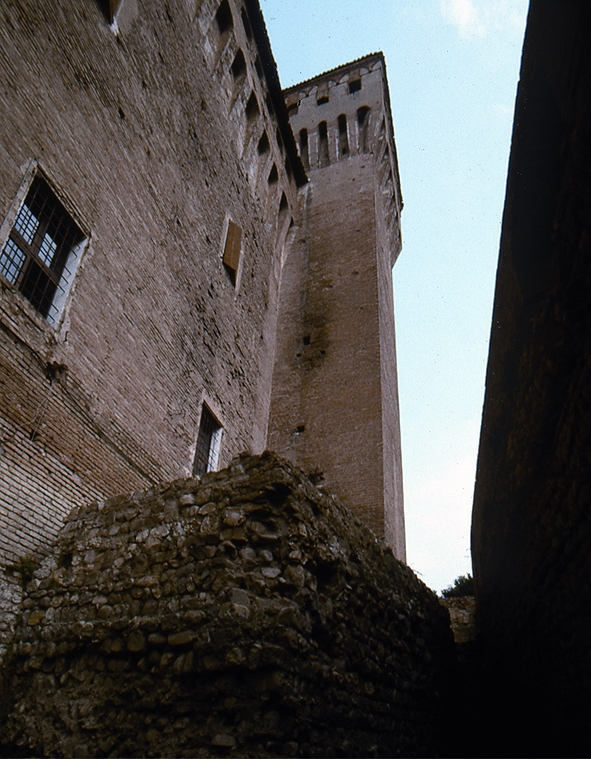
1178 Bishop's Palace
The first known document attesting to the existence of the Fortress of Vignola dates back to this year. Records from the early 13th century describe the presence of a bishop's palace within the castle of Vignola.
1227 Municipality of Modena
Bishop Guglielmo cedes control of Vignola to the Municipality of Modena.
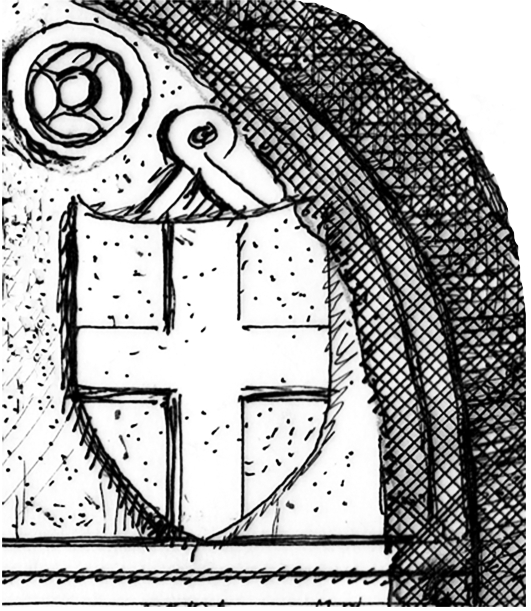
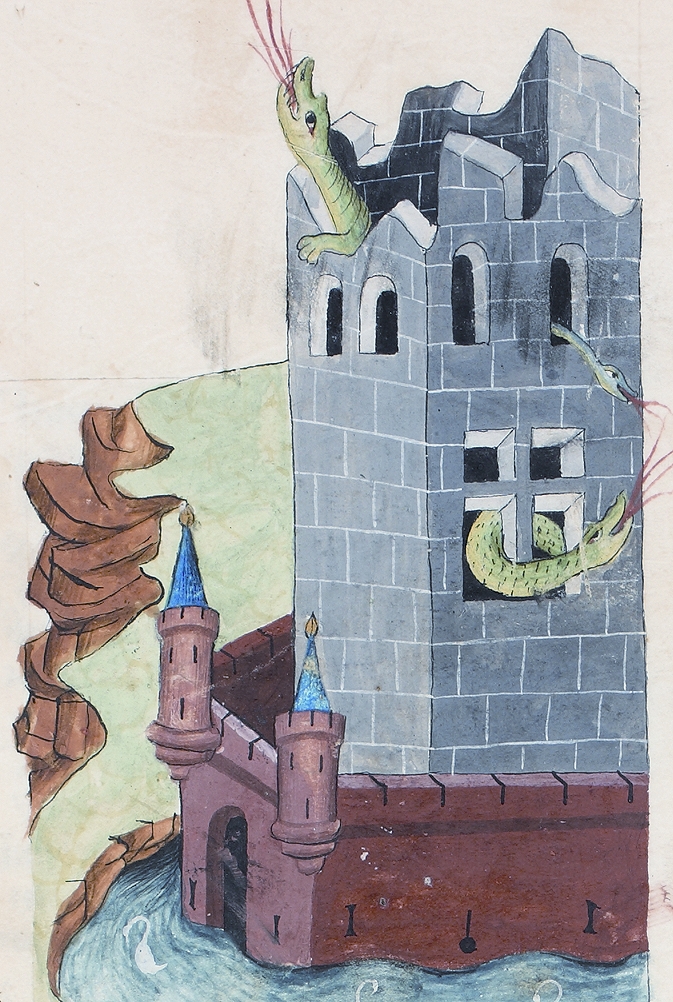
1228 Alberto da Mangone
After a siege led by Count Alberto da Mangone, the Castle of Vignola fell into the hands of the Bolognese, who returned it to the Municipality of Modena the following year.
1239 The failed siege
The new siege of Vignola by the Bolognese Guelphs fails due to the fierce resistance of the Modena troops.
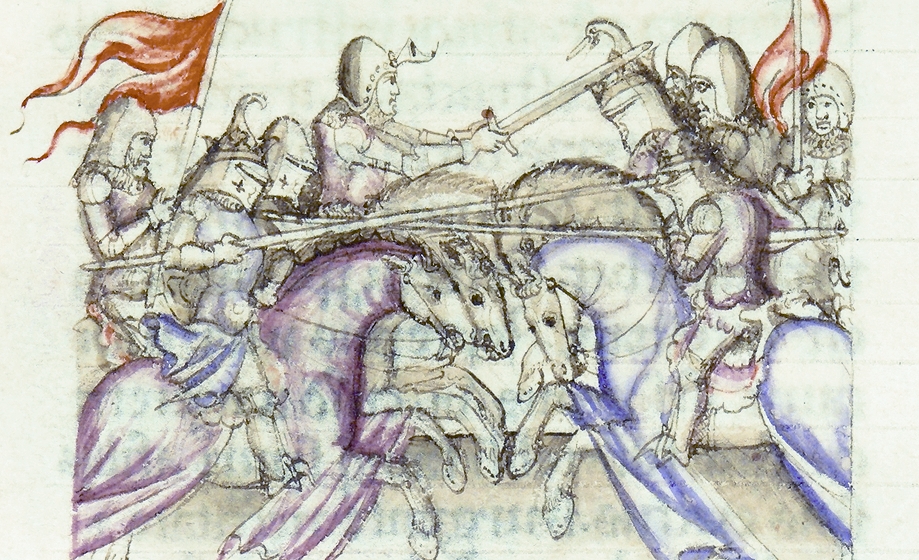
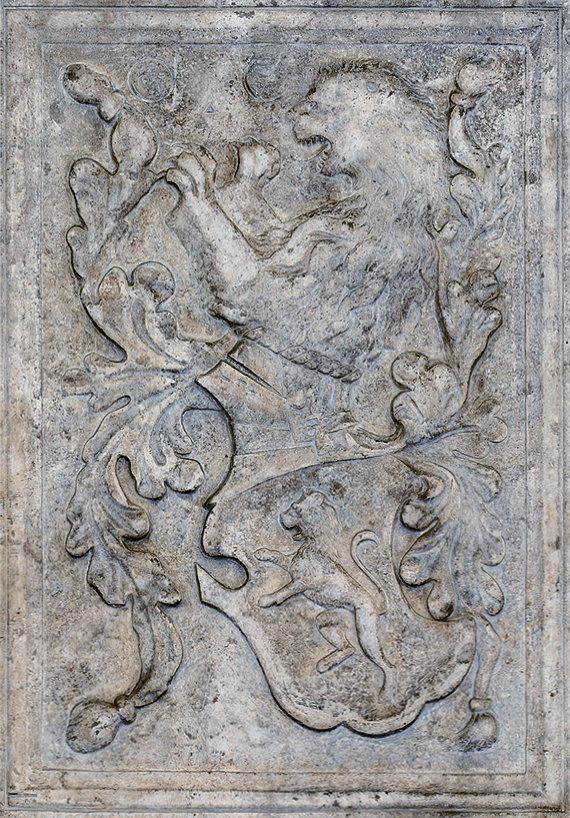
1247 The fire and the new residence
During the conflicts between the Bolognese Guelphs, supporters of the Papacy, and the Modenese Ghibellines, allies of the Empire, the Fortress of Vignola was burned by King Enzo, son of Emperor Frederick II. Gherardo Grassoni rebuilt the fortress and took up residence there.
1331 Change of power
After a series of shifting events, the Municipality of Modena removed the Grassoni family from control of the Castle of Vignola.
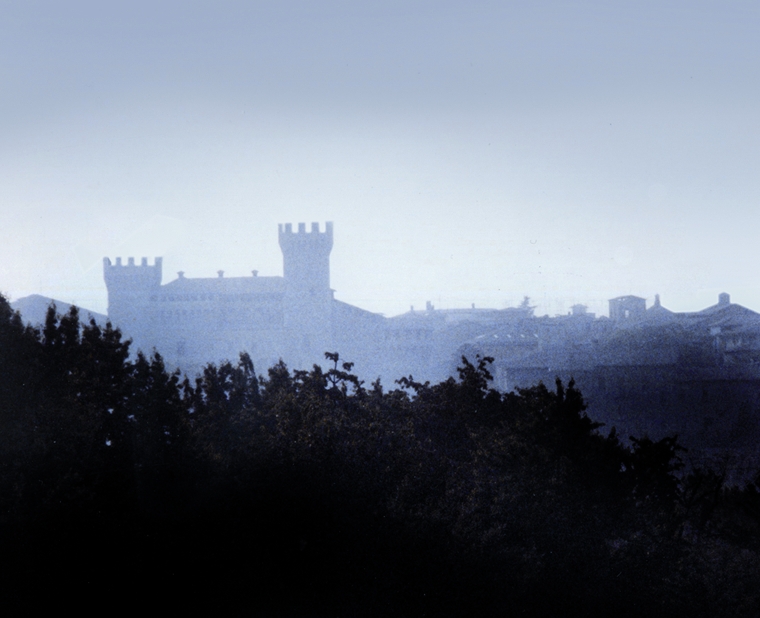
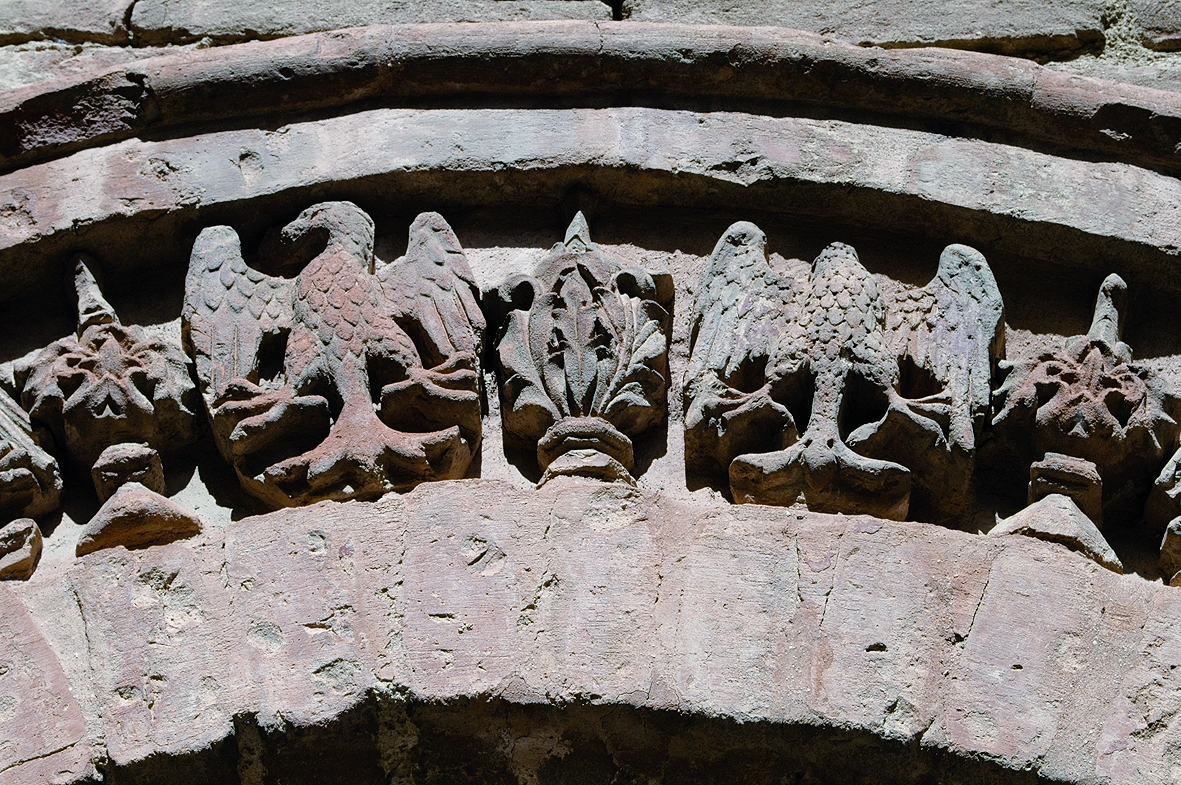
1336 The House of Este
Obizzo III d’Este, lord of Ferrara, assumed the lordship of Modena, extending his rule over Vignola. The Grassoni family was excluded from local governance.
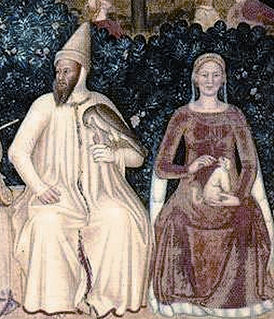
1362-1370 The struggle between the Papacy and the Viscontis.
Vignola became involved in the conflict between the Papacy and the Visconti over control of the Bolognese territory. Bernardino Grassoni and his brother Ubertino attempted to hand Vignola over to Bernabò Visconti, but their attempt failed.
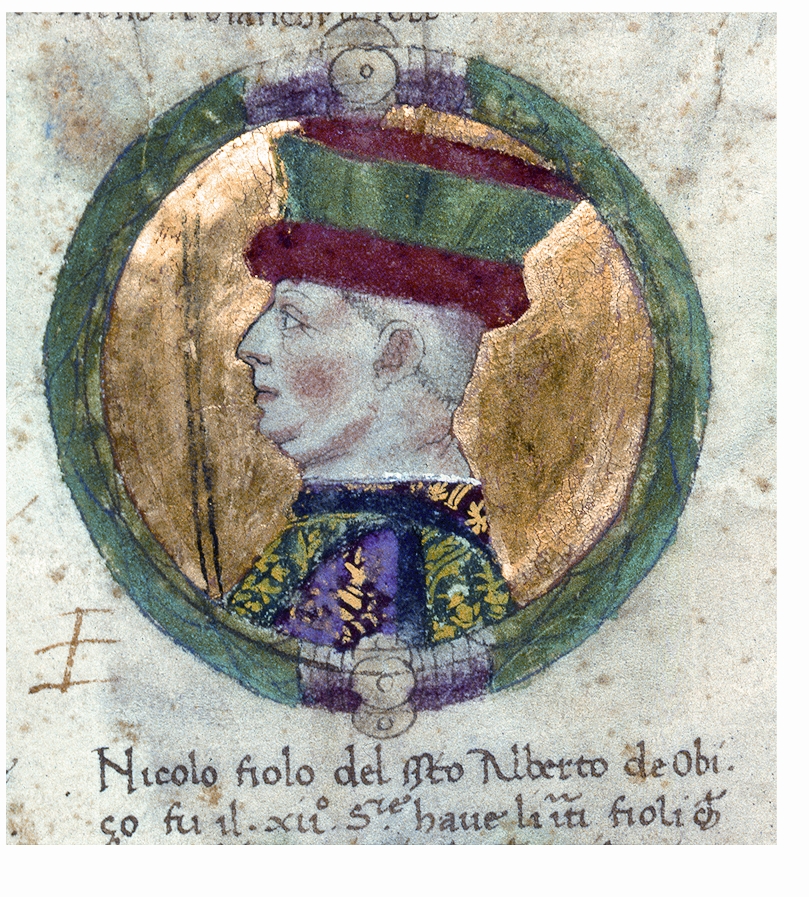
1396-1399 Giovanni da Barbiano
The castle and the Rocca were seized from the Este family by the condottiero Giovanni da Barbiano, with the support of members of the Grassoni family. Three years later, Vignola returned under the lordship of Nicolò III d’Este.
1401 Uguccione Contrari
Nicolò III granted the fortress and the territory of Vignola as a fief to the Ferrarese nobleman Uguccione Contrari.
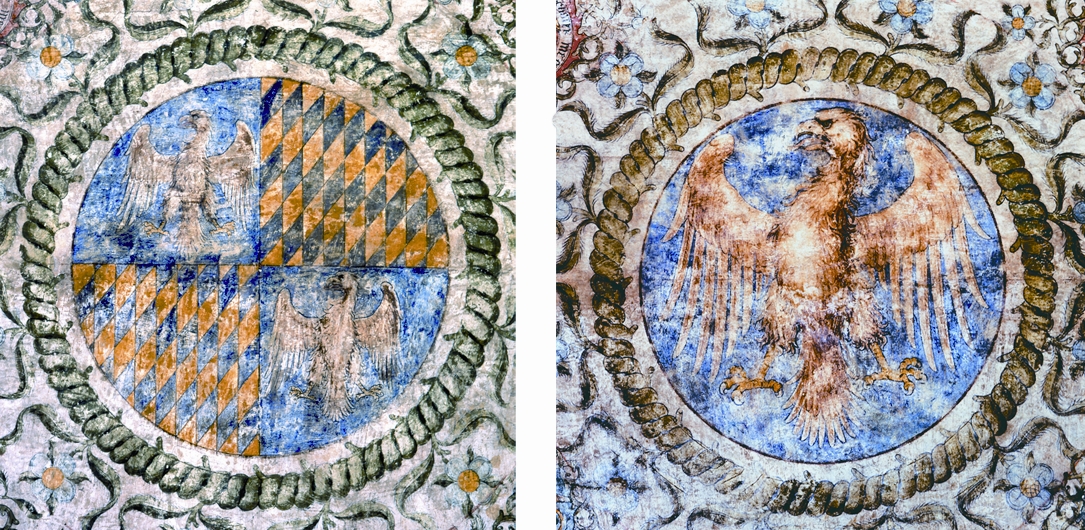
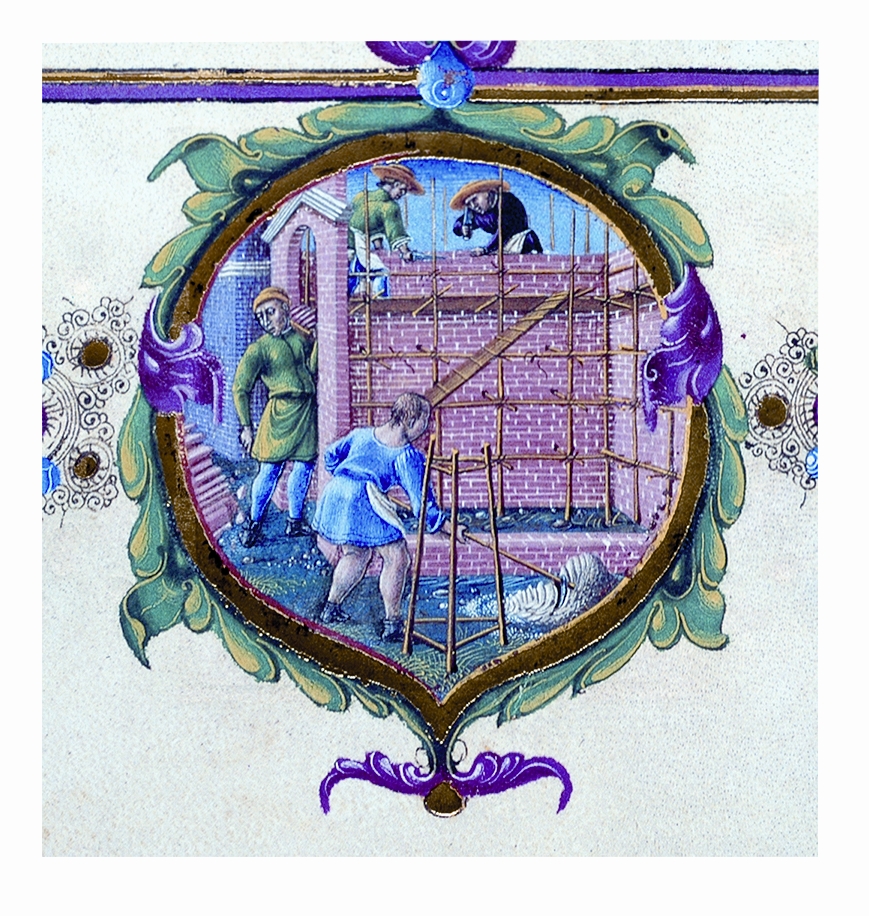
1420 The fortified residence
Around this date, the expansion and transformation of the fortress from a military building into a fortified noble residence were completed. Work had begun around 1410.
1430 Summer Residences
From this year onward, Marquis Nicolò III spent short periods at the Rocca during the summer.


1448 The new defensive wall
Uguccione Contrari died. Construction began on a new, larger defensive wall around the castle of Vignola, which was completed in the second half of the 15th century
1453 The County of Vignola
Duke Borso d’Este elevated the fief of Vignola to a County, granting Ambrogio and Nicolò Contrari, sons of Uguccione, the title of Counts.
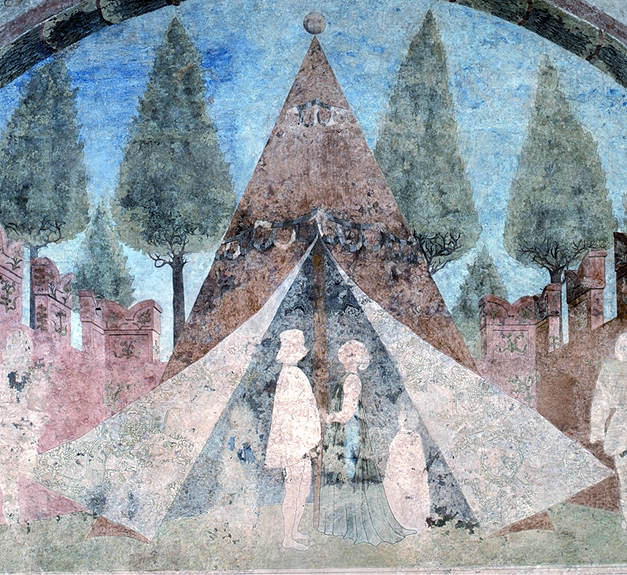
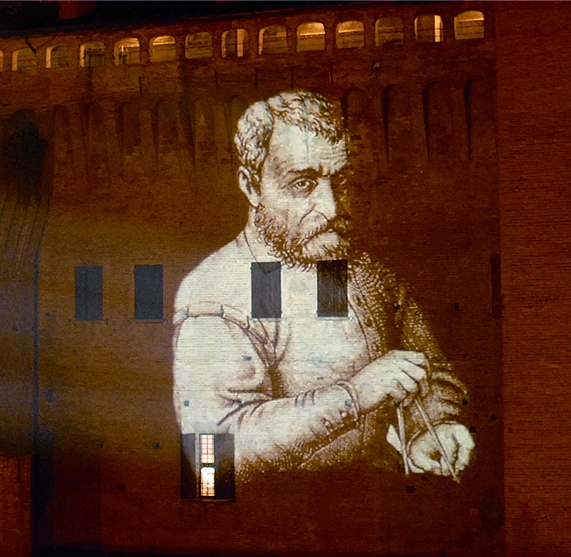
1507 Jacopo Barozzi
Giacomo Barozzi (1507-1573) was born in Vignola. Known as 'Il Vignola', he became one of the most prominent architects and theorists of perspective of his time. His work remains a key reference in the development of Western architecture.
1518 The Papal Occupation
Vignola was occupied for a time by Papal troops and granted to Count Guido Rangoni. In 1527, the castle and its fief returned to the Este family and to Diana d’Este Contrari.
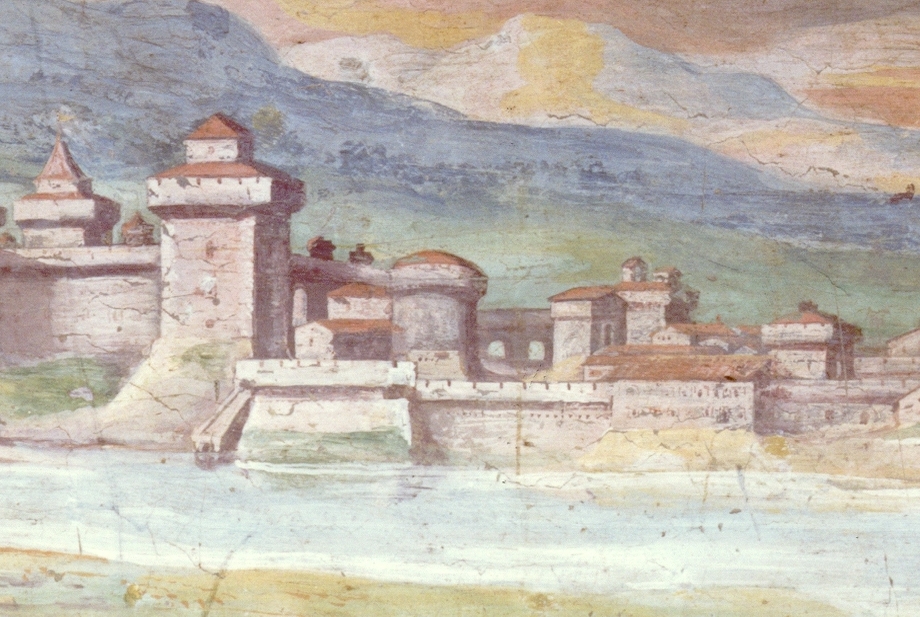
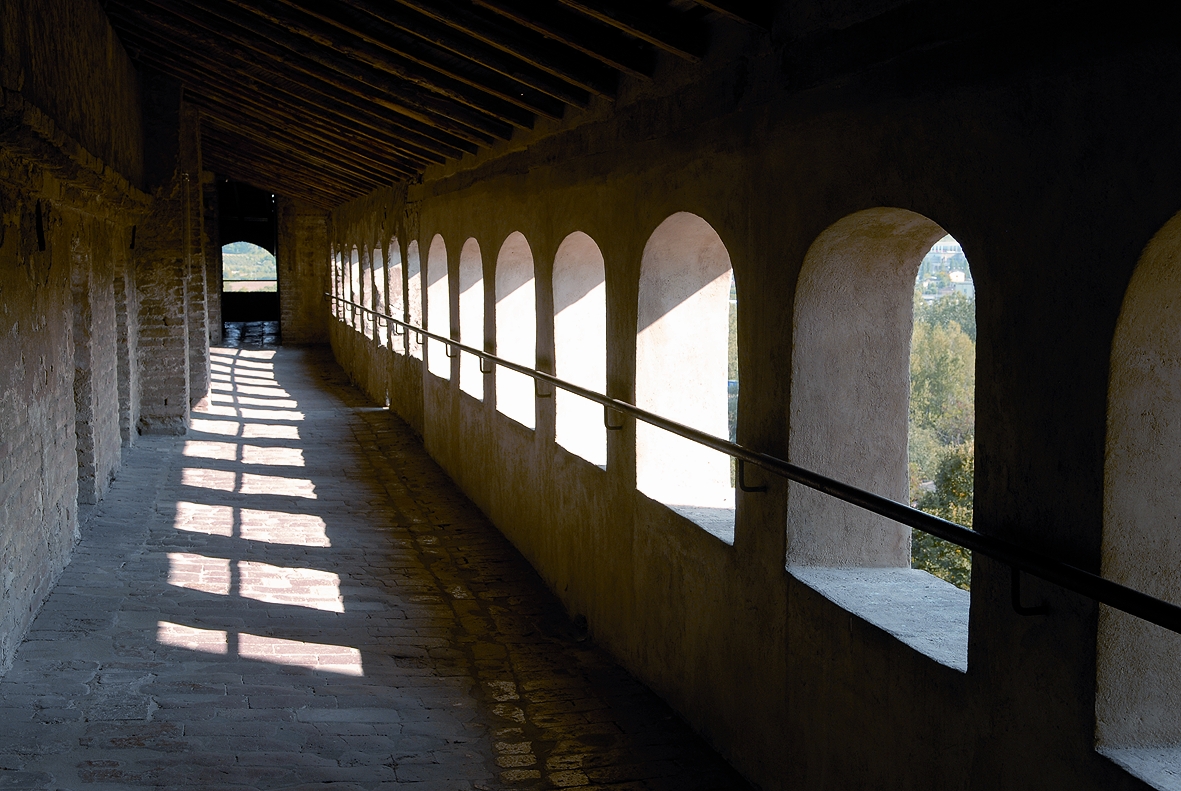
1555 The Covering of the Walkways
The Contrari family had the walkways of the Fortress roofed over.
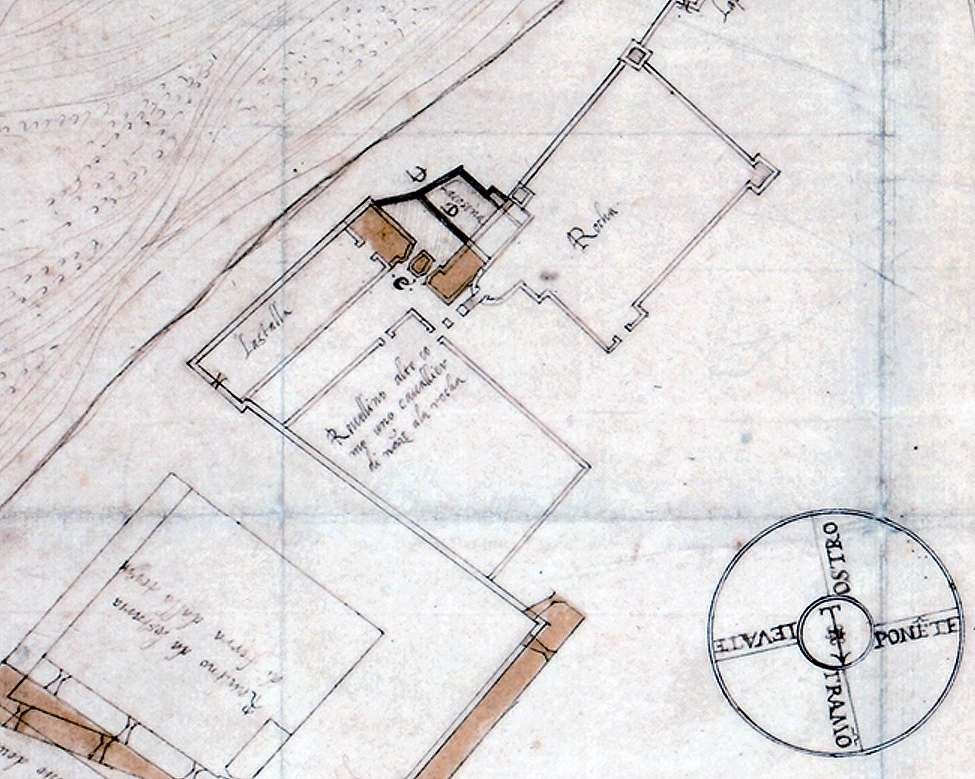
1557 The Spanish threat
The kitchens and other buildings on the northeastern side of the Fortress were demolished to face the threat posed by the artillery of Odoardo Farnese and the Spanish forces.
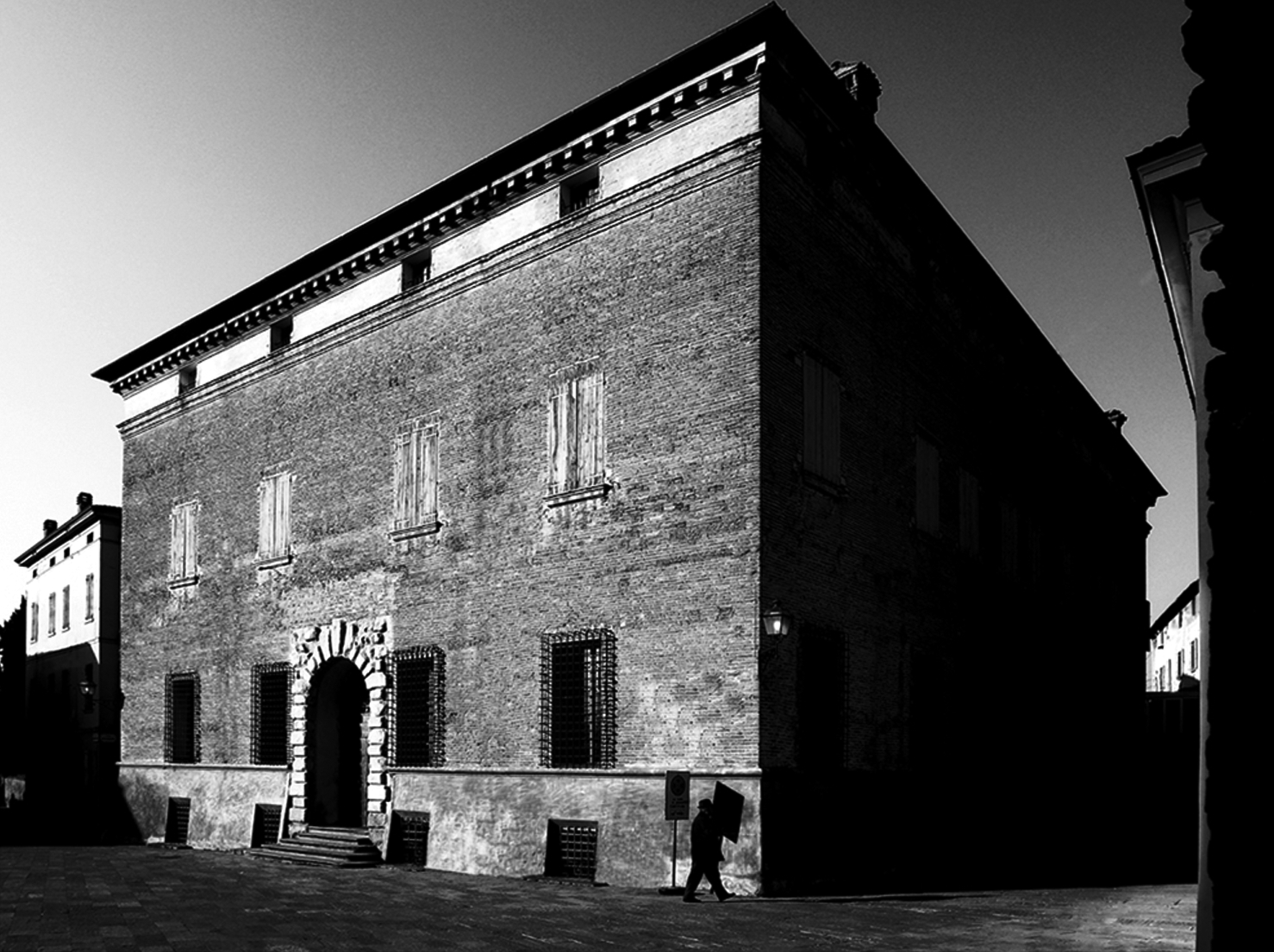
1560 Expansions
Work began on the expansion and transformation of the Contrari palace in Vignola, designed by Giacomo Barozzi.
1575 The Marquisate of Vignola
Alfonso II d'Este, Duke of Ferrara, elevated Vignola to a marquisate, granting Ercole Contrari the Younger the title of Marquis. A few months later, following his assassination, the fief returned for two years to Este control.
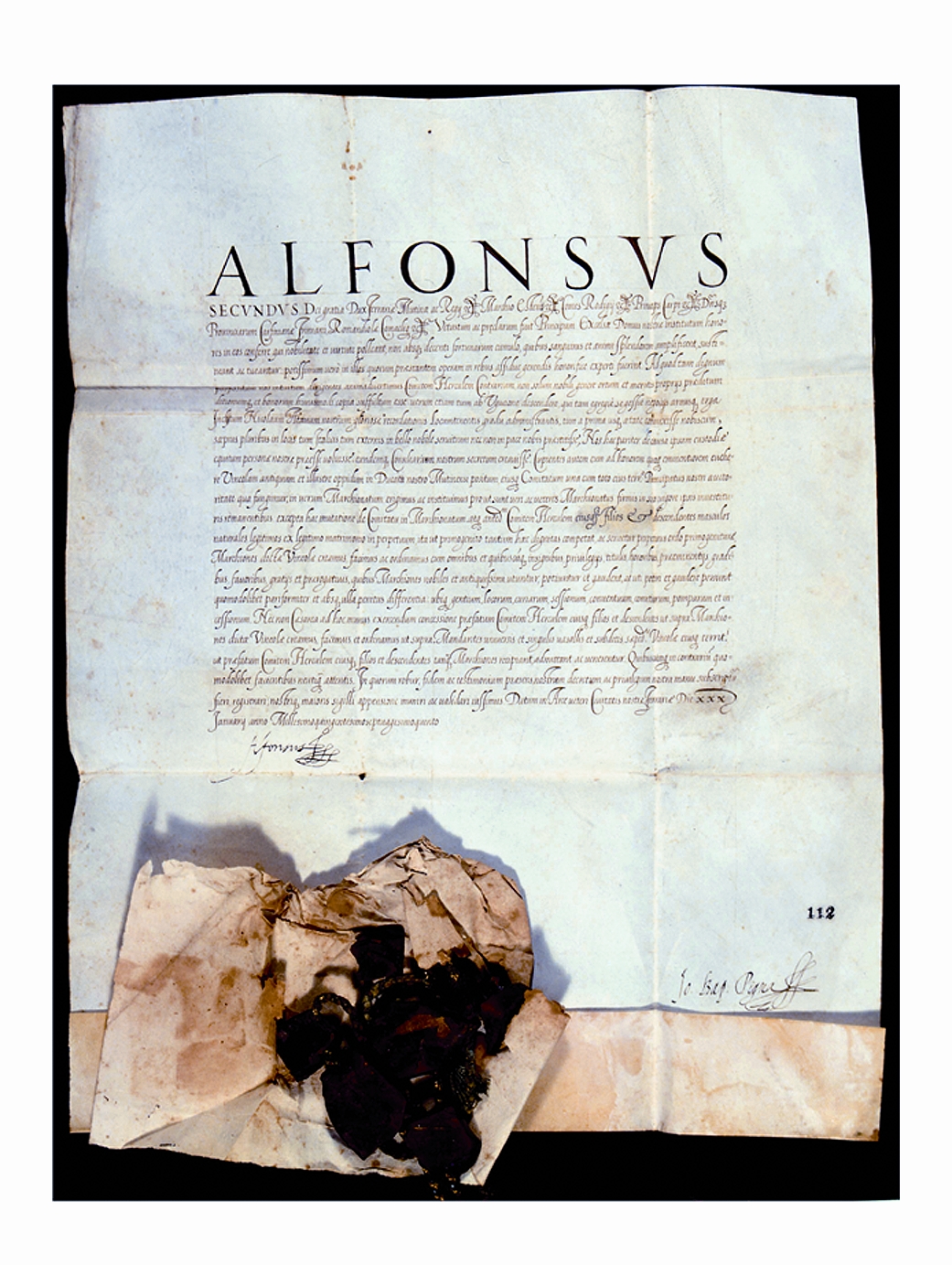
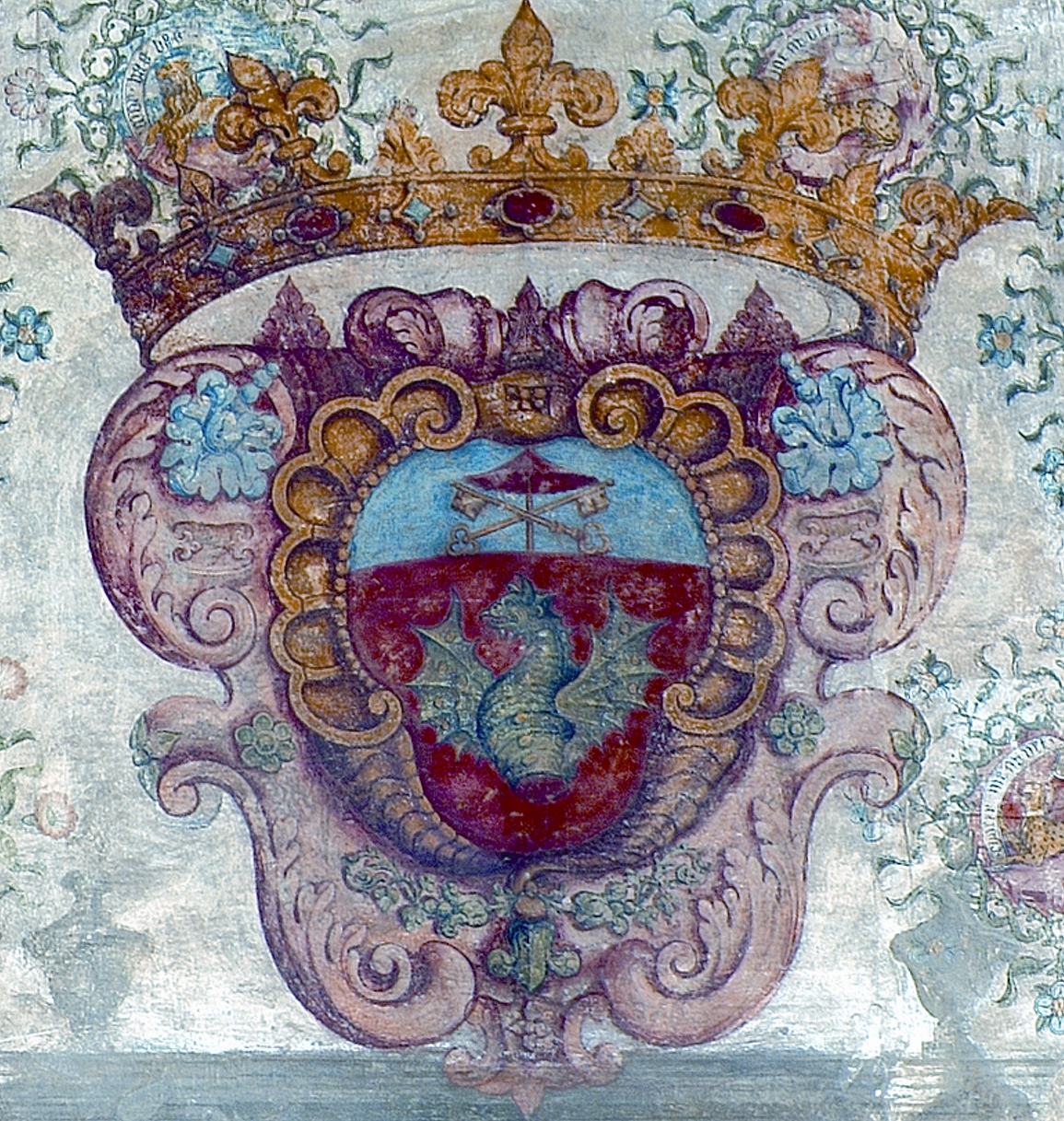
1577 Giacomo Boncompagni
Alfonso II d'Este sold the feudal investiture of the Marquisate of Vignola to Giacomo Boncompagni, legitimate son of Pope Gregory XIII. Between 1588 and 1620, the new feudal lords carried out significant restoration work on the Fortress.
1643 Raimondo Montecuccoli
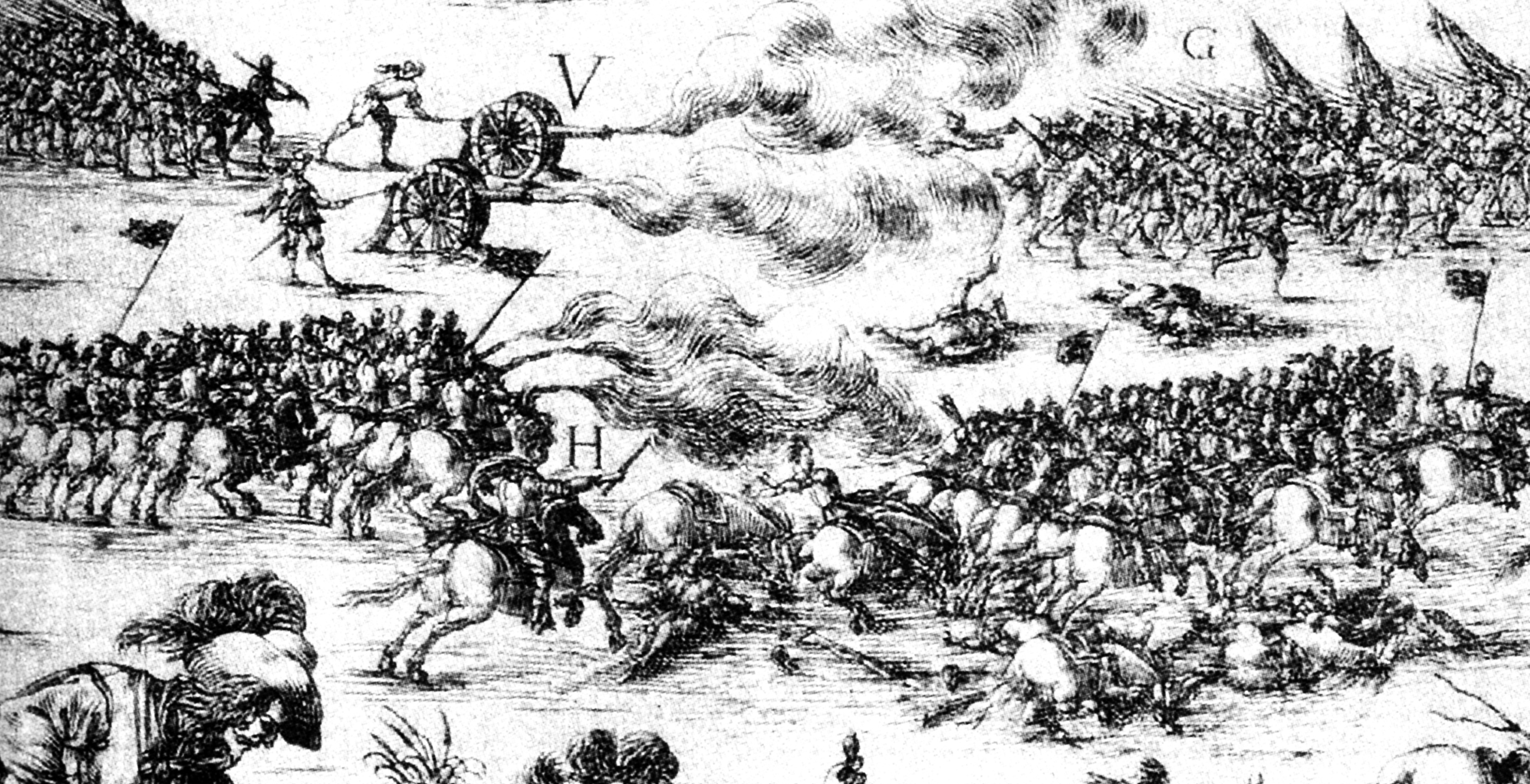
In June, during the War of Castro, Vignola surrendered to the papal troops of the Barberini family, subsequently Raimondo Montecuccoli, commander of the imperial troops, oversaw the strengthening the town's defenses.
1672 Lodovico Antonio Muratori
Lodovico Antonio Muratori (1672-1750) was born in Vignola, a historian, scholar and librarian, he is considered above all the father of modern historiography.
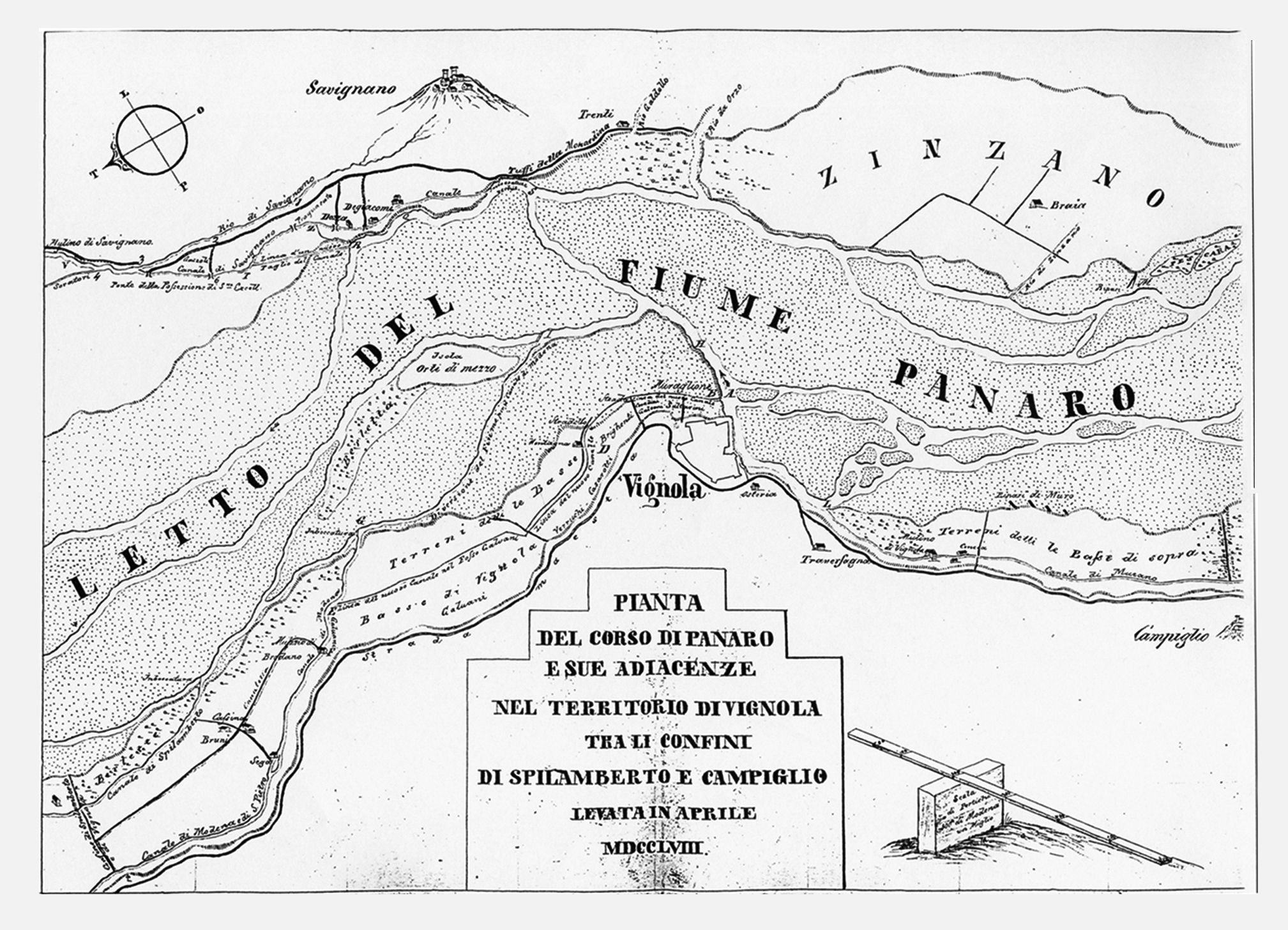
1691 The Lowlands Consortium
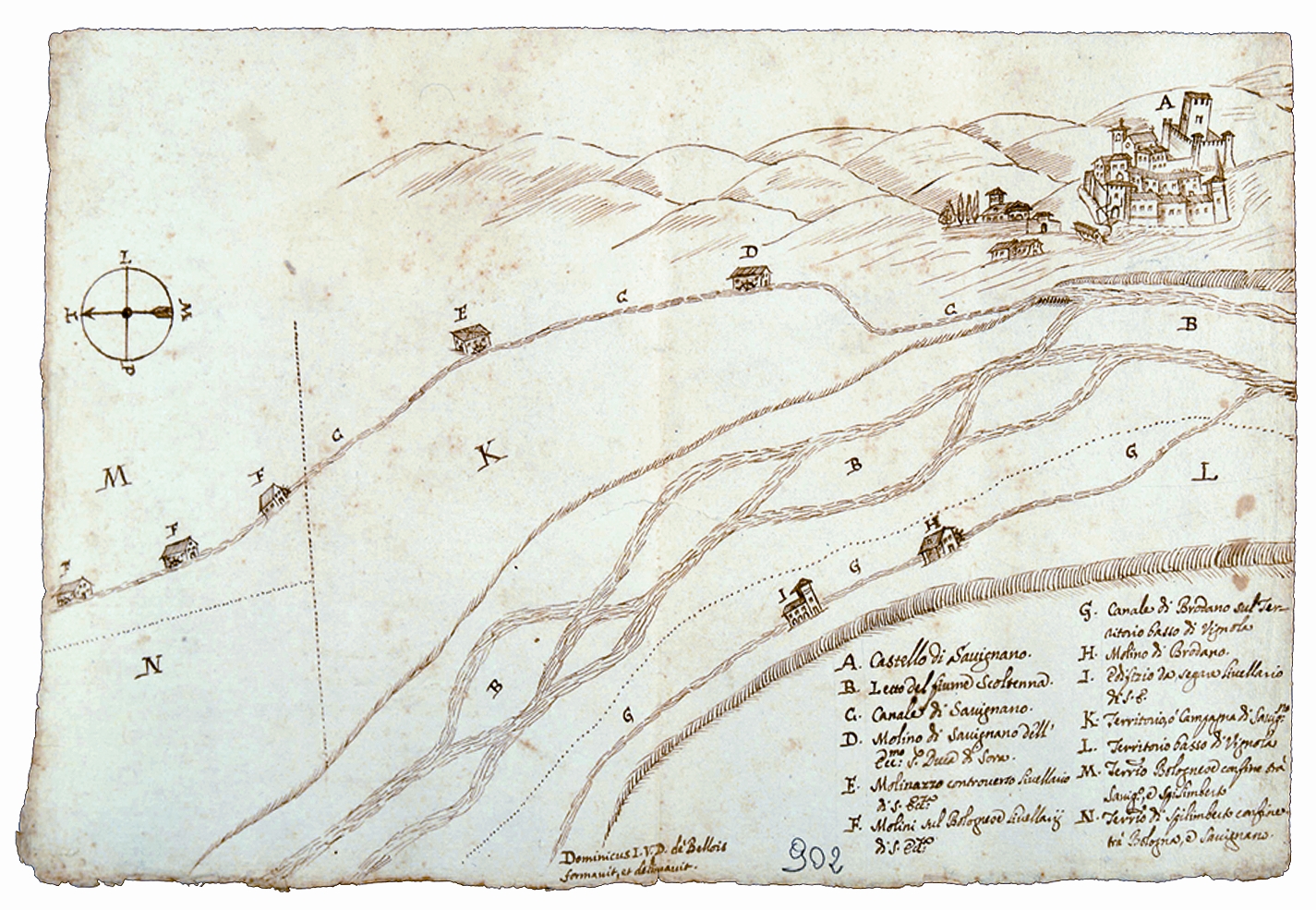
The Lowlands Consortium was established to protect the territory, the castle, and the Fortress of Vignola from floods and river erosion.
1743-1754 Foreign Troops
Between 1691 and 1745, Vignola and its fortress were quartered by foreign troops, who damaged the fortress. Around 1743, restoration work on the Fortress began.
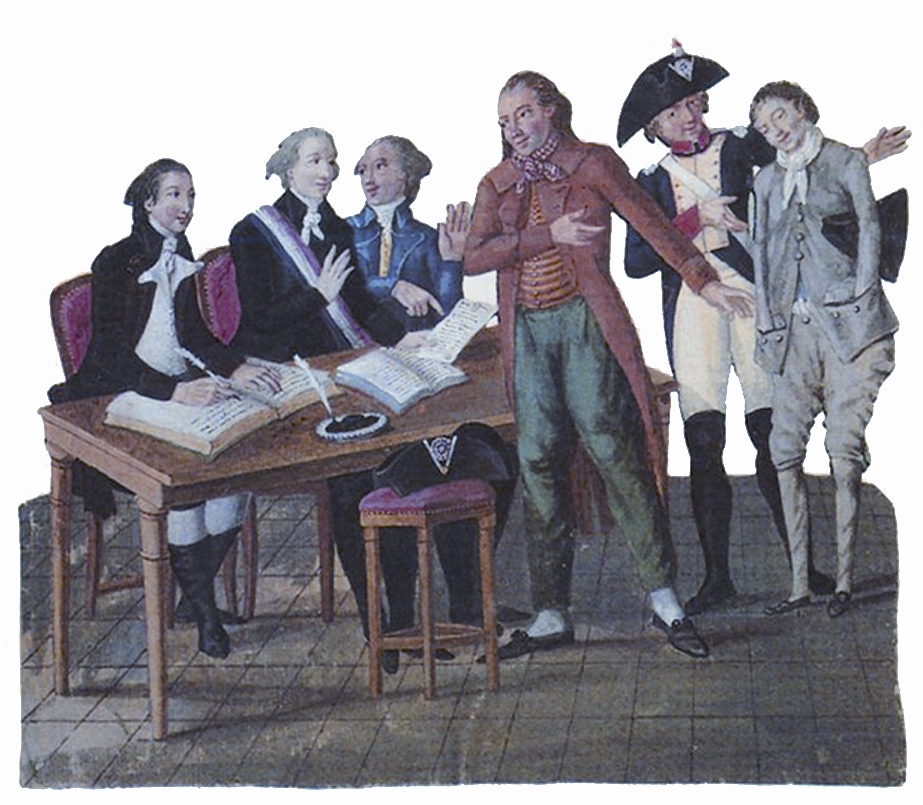
1796 The abolition of feudal government
With the arrival of the French, feudal government was abolished, and the Boncompagni Ludovisi family's assets, including the fortress, were confiscated. The noble family regained possession of the building only after several years.
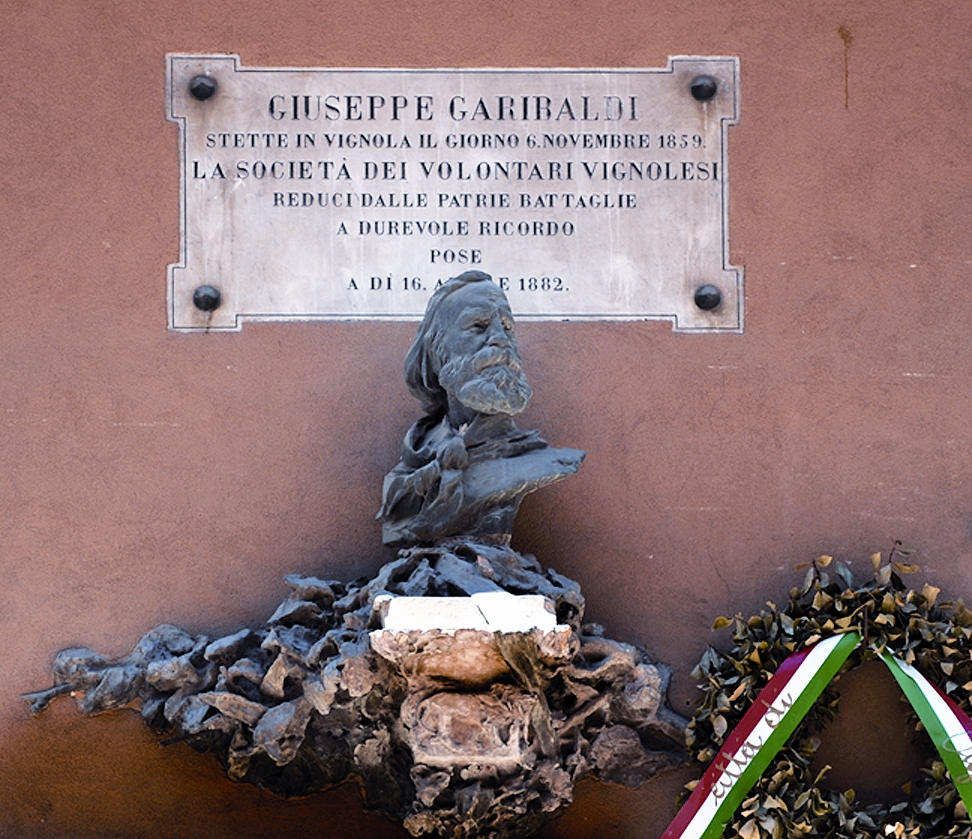
1859-1860 Giuseppe Garibaldi and Francesco Selmi
In 1859, Giuseppe Garibaldi and Francesco Selmi (1817-1881) from Vignola led the insurrection against Austro-Este power. Selmi was one of the main architects of Italian unification.
1874 The Bank Cassa di Risparmio
The Fortress of Vignola hosted the newly established Cassa di Risparmio.
1901 The Town Hall
The rooms of the Fortress were rented to the Municipality of Vignola.
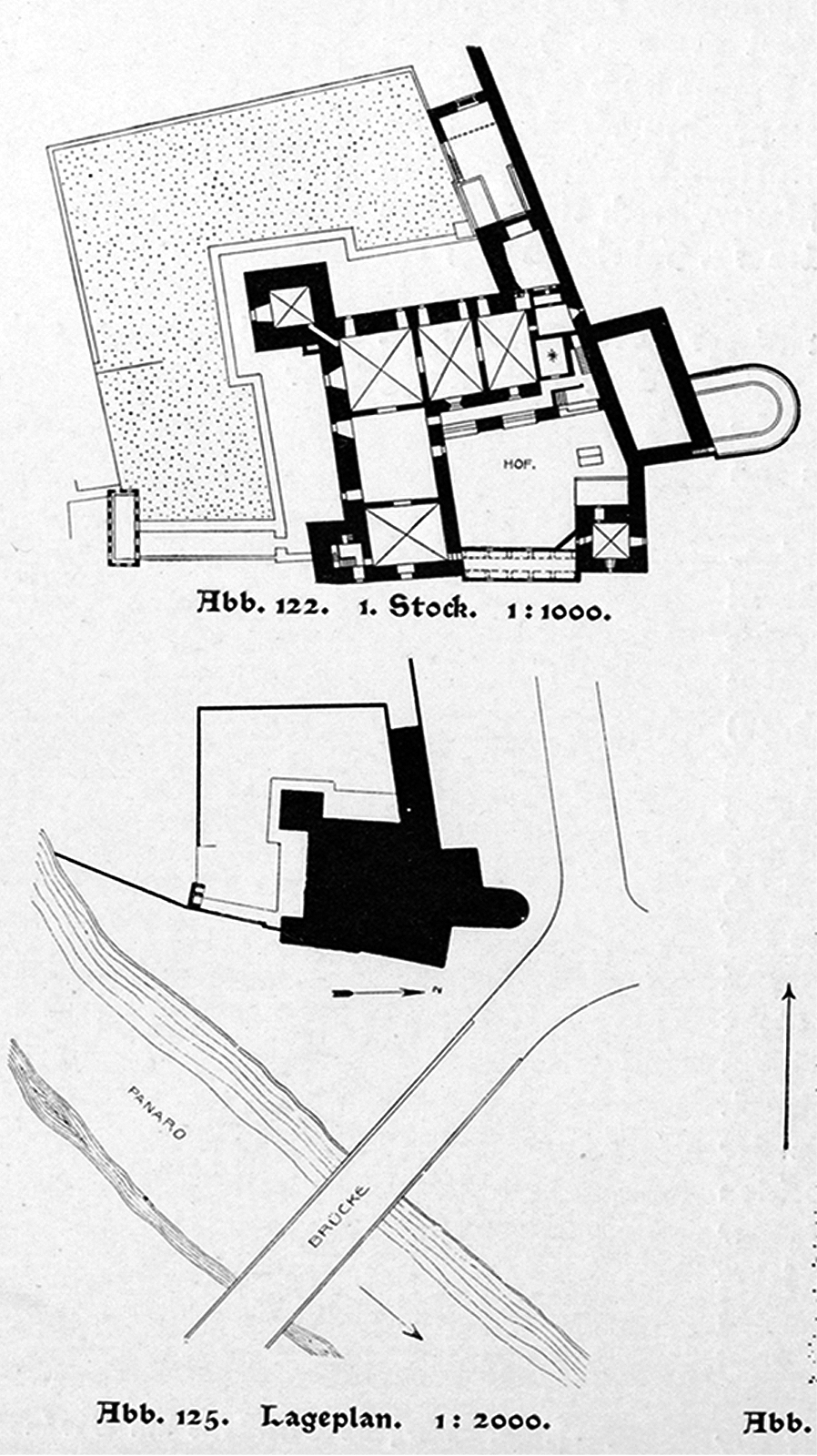
1904 Bodo Ebhardt
Bodo Ebhardt, architect to the German Emperor, carried out surveys of the Fortress which were later included in his important publication on Italian castles, commissioned by the sovereign.
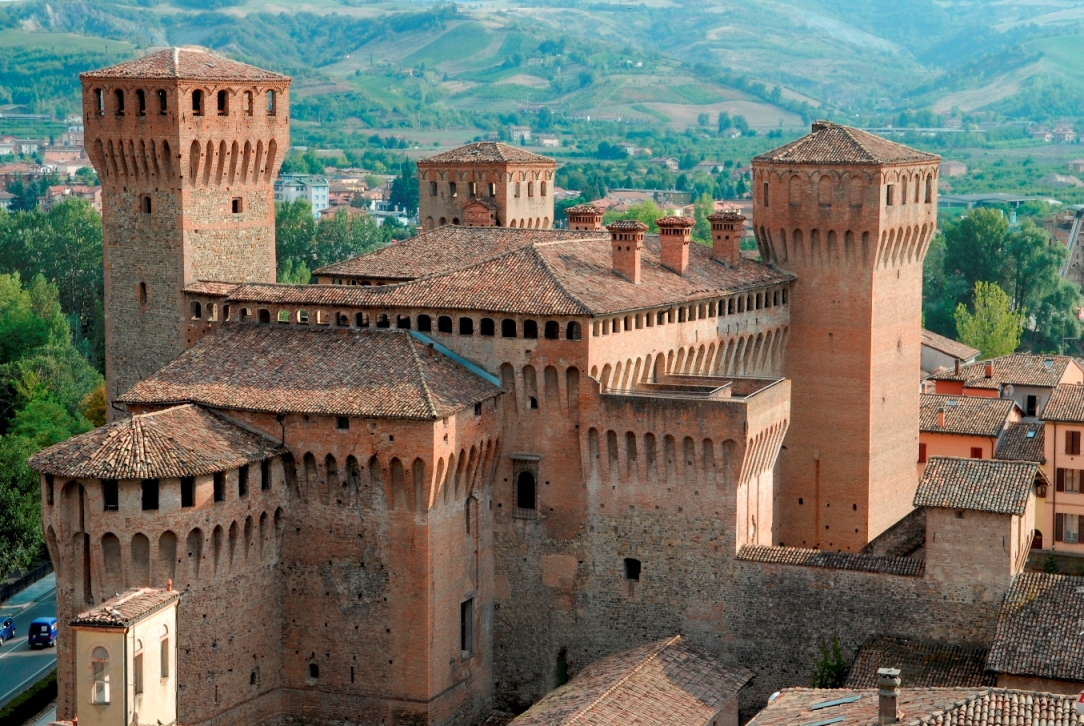
1906 Italian Monumental Buildings
The Fortress of Vignola was included in the official list of Italian monumental buildings.
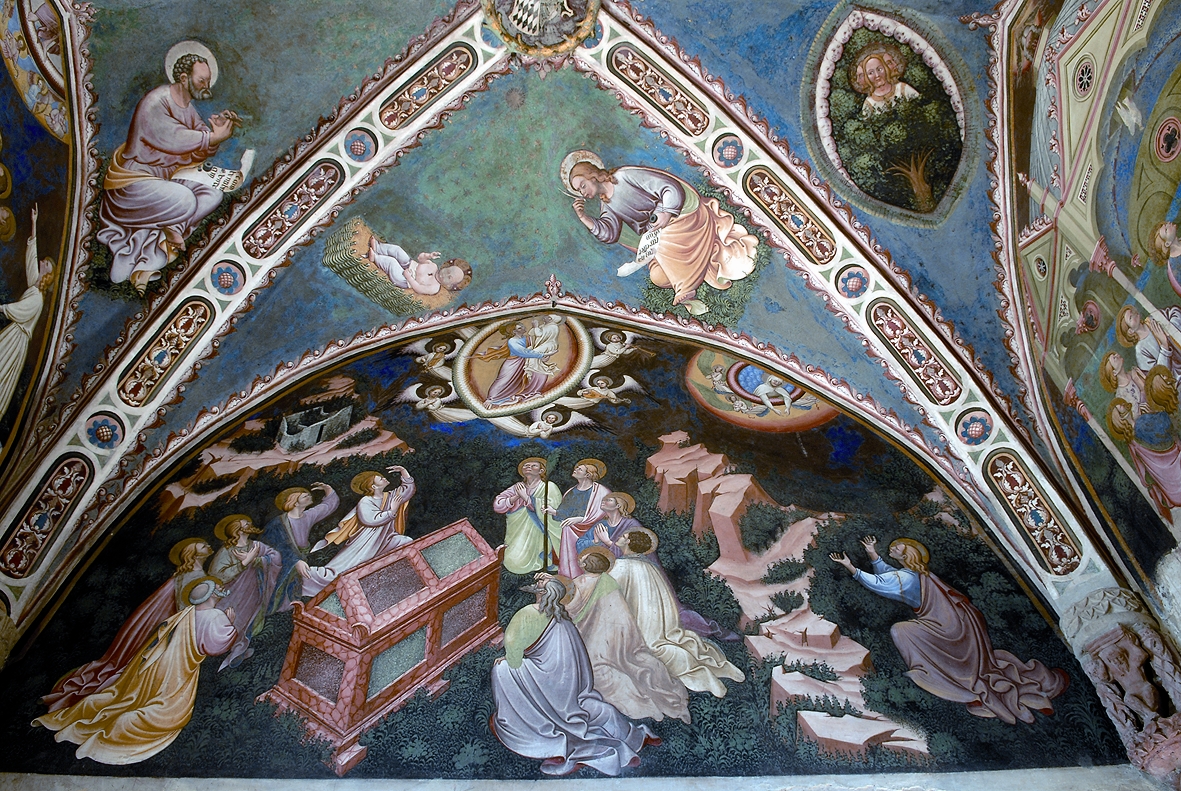
1907 The rediscovered frescoes
The frescoes decorating the halls and the Chapel of the Fortress were discovered, and the first restoration work began.
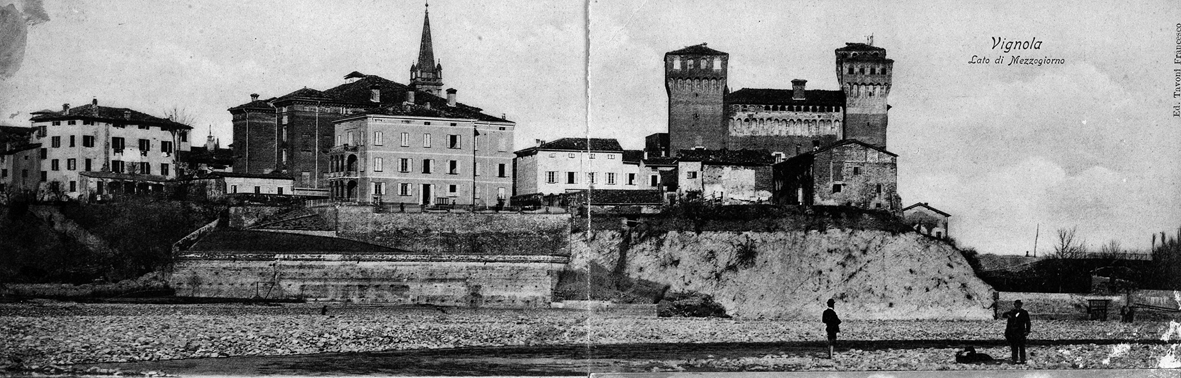
1910 The Magistrate's Court of Vignola
Some rooms of the Fortress were rented to the Ministry of Justice to house the Vignola Court of Justice.
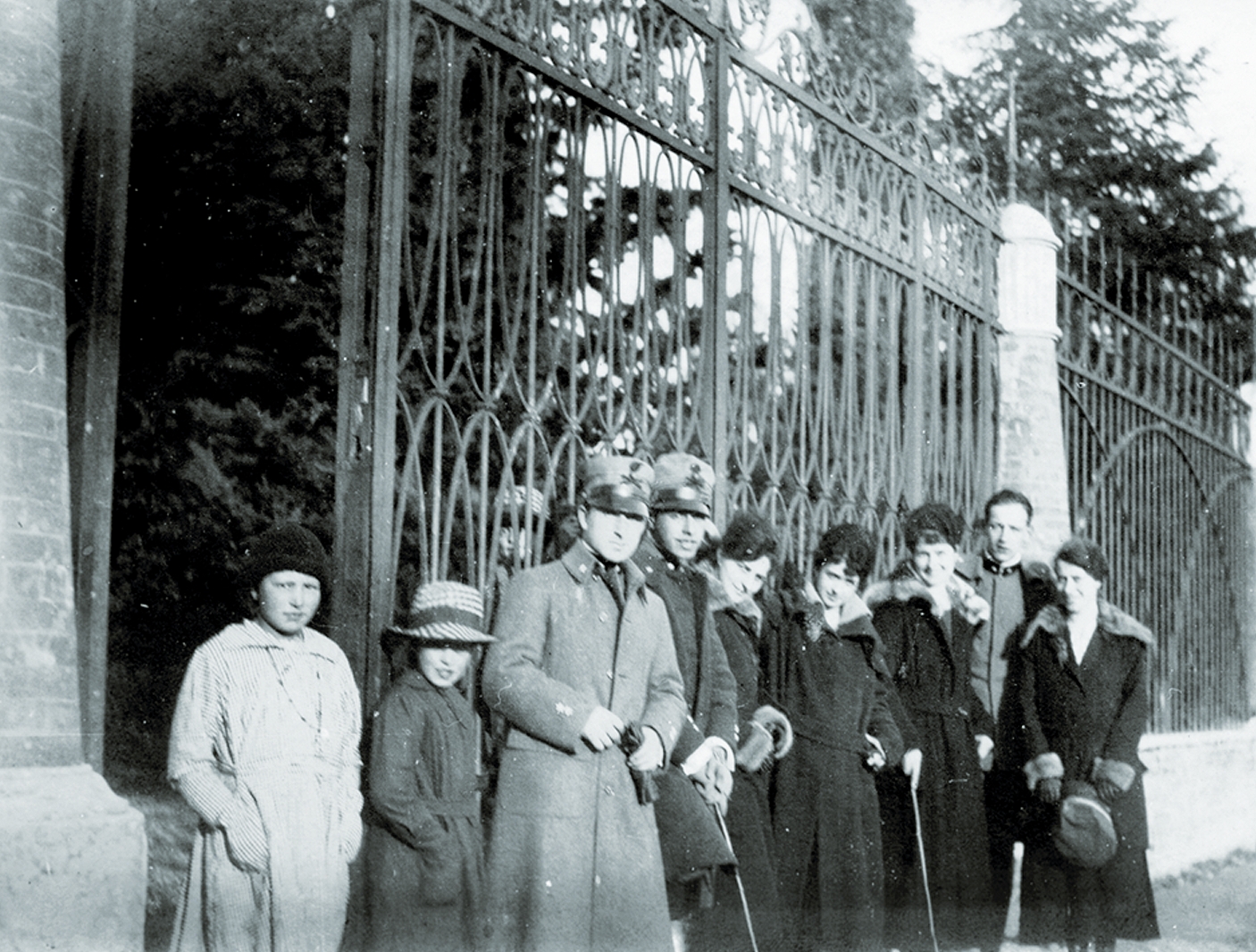
1915-1920 A Shelter for the Population
During the First World War and the immediate post-war period, the fortress hosted troops and homeless families.
1945 World War II
During World War II, the fortress was used to imprison first the partisans and later Fascist officials.
1965 The Cassa di Risparmio di Vignola Bank
The Cassa di Risparmio di Vignola acquired ownership of the Fortress.


1998 Fondazione di Vignola
The Fondazione di Vignola became the owner of the fortress. Today, by statute, it oversees its optimal management and enhancement.